

LION CITY HUB • NATIONAL EDUCATION & HERITAGE
Tiong Bahru Heritage Trail
Explore streamlined flats, community landmarks and everyday traditions in an early housing estate.
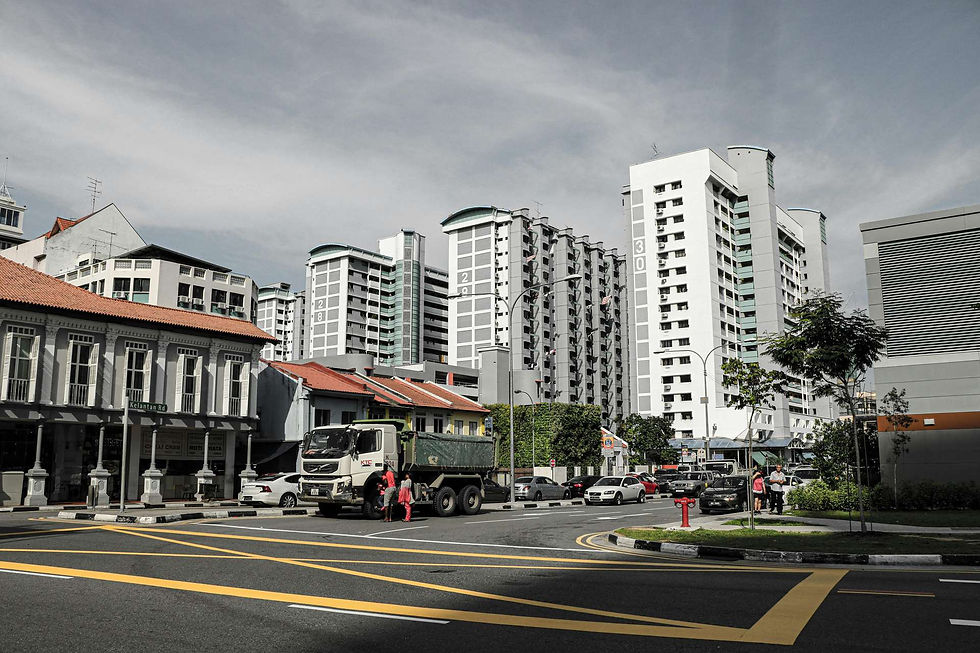
Modern Housing with Local Character
Tiong Bahru was developed by the Singapore Improvement Trust from the 1930s, making it one of Singapore’s earliest planned public-housing estates. Its low-rise flats use rounded balconies, horizontal lines and other Streamline Moderne features that reflected a modern age of ships, cars and aircraft.
The neighbourhood also contains older burial-ground history, wartime memories, a well-known market and long-running food businesses. Conserved buildings and active community life make Tiong Bahru both architecturally distinctive and deeply lived-in.
Tiong Bahru Market remains a daily anchor for residents and food lovers, and Qi Tian Gong Temple, dedicated to the Monkey God, predates much of the estate. A purpose-built air-raid shelter recalls civilian life during the Second World War.


Did You Know?
Tiong Bahru’s pre-war flats were built by the Singapore Improvement Trust, the predecessor of HDB.
Rounded balconies and horizontal bands give many blocks a Streamline Moderne appearance inspired by speed and movement.
What Makes Tiong Bahru Special
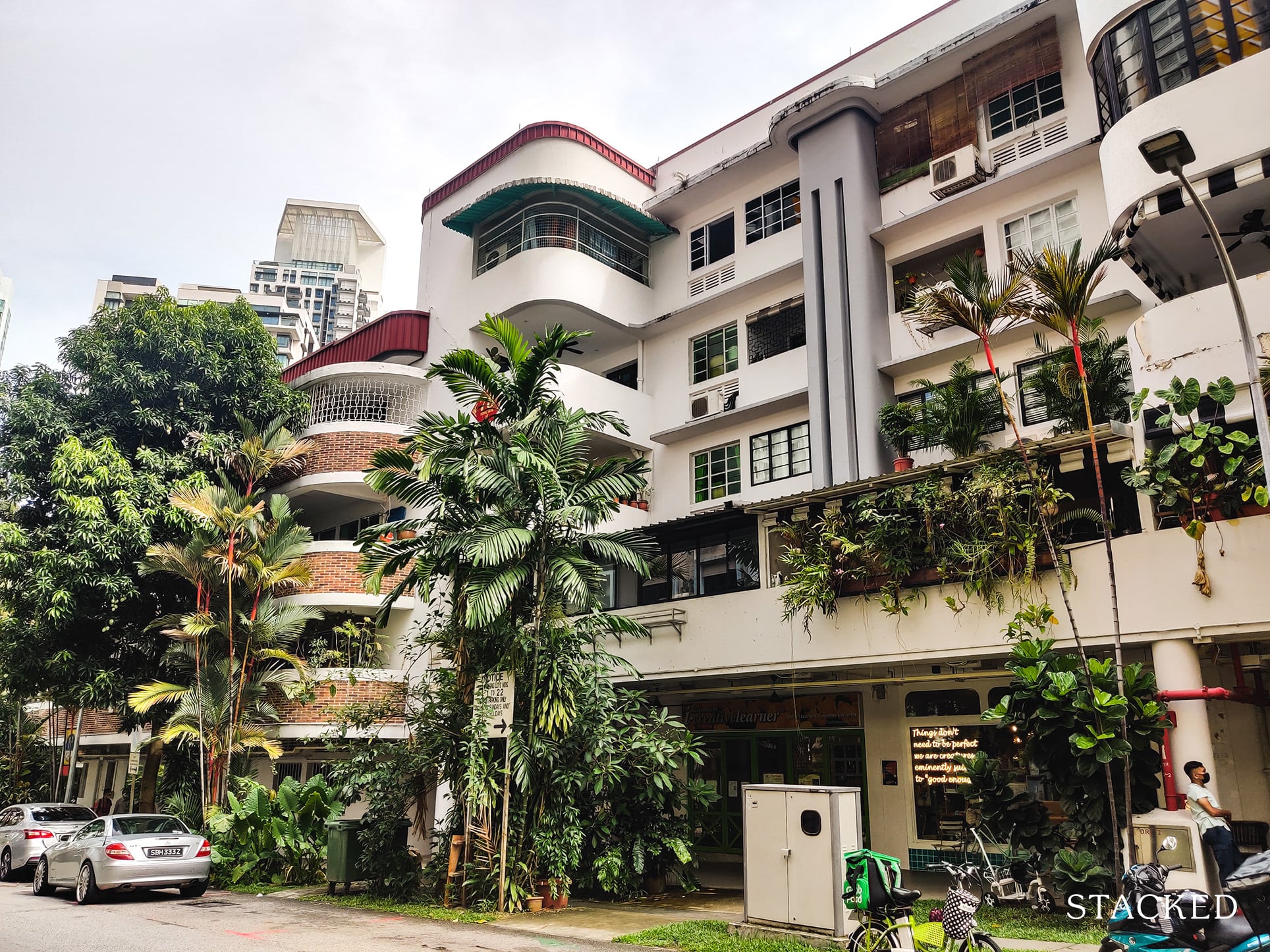
Pre-War Flats
Low-rise blocks from the 1930s introduced planned urban housing with shared courtyards and distinctive modern styling.

Tiong Bahru Market
The market and food centre remains a daily community anchor and a well-known destination for local dishes.

Qi Tian Gong Temple
This long-standing temple dedicated to the Monkey God reflects religious life that predates much of the modern estate.
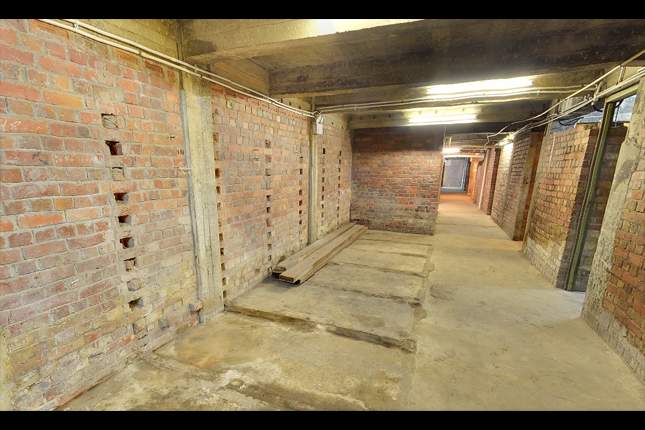
Air-Raid Shelter
A purpose-built shelter within the estate recalls civilian preparations and experiences during the Second World War.
Trail Routes
Route 1 Tiong Bahru
Explore how markets, religious traditions, public art and wartime memory contribute to the identity of an early housing estate.
Duration: 75–105 minutes · Distance: 1.1–1.3 km · Stops: 6
1. Tiong Bahru Market
Opened in 1951 as Seng Poh Road Market, Tiong Bahru Market brought neighbourhood trading and food culture into a shared setting. Its continuing role reflects how repeated encounters through shopping and meals contribute to community identity across generations.
2. Former Bird Corner and Hu Lu Temple
This junction preserves memories of a former temple and a popular bird-singing corner. Although the temple is gone, the site recalls religious rituals, social gatherings and everyday leisure, showing how a street corner can remain meaningful after its buildings and activities change.
3. Qi Tian Gong
Qi Tian Gong traces its beginnings to 1920 and centres on the veneration of Sun Wu Kong, the Monkey God of Journey to the West. Its continuing religious and community role adds living cultural heritage to Tiong Bahru’s architectural and social history.
4. Seng Poh Road
The Singapore Improvement Trust developed Tiong Bahru with architecture inspired by Streamline Moderne. Curved forms, horizontal lines and familiar local elements created a distinctive housing landscape, preserving an approach to neighbourhood design that contrasts with later high-rise estates.
5. Seng Poh Garden and Dancing Girl
Seng Poh Garden was planned in 1972, with Lim Nang Seng commissioned to create its Dancing Girl sculpture. The abstract figure suggests a joyful harvest dance, giving a shared neighbourhood space a cultural landmark through a modest piece of public art.
6. Block 78
As war approached, air-raid shelters were incorporated into Tiong Bahru’s housing estate. The surviving shelter at Block 78 Guan Chuan Street connects domestic architecture with civilian protection, preserving evidence of how preparations for danger became part of everyday residential spaces.
