

LION CITY HUB • NATIONAL EDUCATION & HERITAGE
Sengkang Heritage Trail
Explore how a riverside fishing port became a modern town designed around water, parks and light rail.
Sengkang’s Fishing Port Roots and Riverside Town
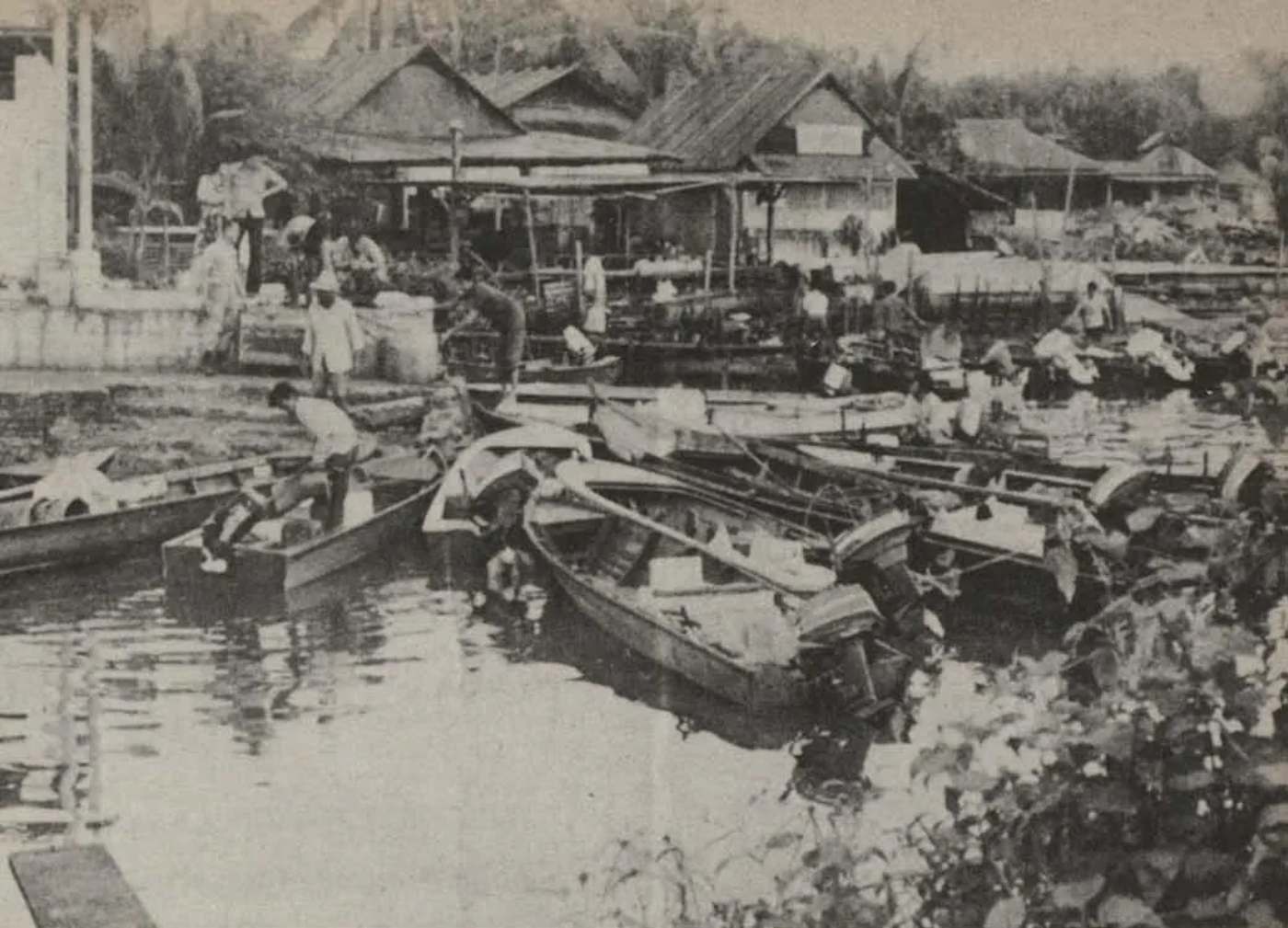
Sengkang was once home to Kangkar, a fishing village by the Serangoon River whose name means “foot of the port” in Teochew. Until the early 1980s, fishing boats unloaded their catch at Kangkar each morning, while plantations of rubber, pepper and pineapple once grew nearby.
The name Sengkang, meaning “prosperous harbour” in Chinese, comes from Lorong Sengkang, a former road off Lorong Buangkok. The new town was planned around the theme “Town for the Seafarer”, and its light rail, built into the town plan from the start, opened in 2003.
Today, Sengkang Riverside Park and the Sengkang Floating Wetland bring nature close to home. The Sengkang LRT links neighbourhoods across two loops, while the site of the Old Kangkar Fish Market lies near the end of Upper Serangoon Road.
Did You Know?
Kangkar’s wholesale fish market once handled about 40 tonnes of fish every day.
Sengkang Floating Wetland, opened in 2010, is about half the size of a football field.


Photo: Collection of the National Library Singapore; fishermen unloading catch at Kangkar market, undated | Not independently confirmed | https://biblioasia.nlb.gov.sg/all-sections/vol-22-issue-2-jul-sep-2026-sengkang-from-fisheries-port-to-integrated-town/
What Makes Sengkang Special

Sengkang Riverside Park
Opened in 2008 beside Sungei Punggol, this 21-hectare park features a constructed wetland, a fruit tree trail and wide riverside views.

Sengkang Floating Wetland
Opened in 2010 with a fruit-themed design, this wetland links the park to Sengkang Sports Centre and filters rainwater through aquatic plants.

Sengkang LRT
Opened in 2003, this driverless light rail serves 14 stations across two loops, linking homes to Sengkang MRT station and the town centre.
Old Kangkar Fish Market
Near today’s end of Upper Serangoon Road, this busy fishing hub once received catches from about 90 local boats before the area was redeveloped.
Trail Routes
Route 1 Riverside Fruit Landscapes & Floating Wetlands
Explore how riverside planting and wetland landscapes connect present-day recreation with Sengkang’s natural and agricultural heritage.
Duration: 45–75 minutes · Distance: Approx. 0.9 km · Stops: 3
1. Sengkang Riverside Park
Fruit trees add a living agricultural reference to the park beside the Punggol River. Their presence connects a modern recreation landscape with familiar plants from older village life.
2. Constructed Wetland
The constructed wetland creates habitat within an urban park. Water, vegetation and wildlife show how a designed landscape can support ecological functions alongside neighbourhood recreation.
3. Sengkang Floating Wetland
The floating wetland combines planted water habitats with a fruit-themed public deck. Its boardwalk links the riverside park with nearby community facilities across the water.
The Punggol heritage trails provide another view of how riverside and coastal landscapes became spaces for neighbourhood recreation.
Interested in planning or booking the Sengkang heritage trail? Please contact us by filling out the form below.
