
LION CITY HUB • NATIONAL EDUCATION & HERITAGE
Punggol: From Village to Eco-Town
Trace the transformation of a rural coastal area into a waterfront laboratory for sustainable living.
Water, Nature and New Housing
Early Punggol was a fishing village where Malay residents were later joined by Chinese settlers working in plantations, poultry farms and pig farms. Plans for Punggol 21, announced in 1996, imagined a new waterfront town. Later programmes introduced a waterway linking two reservoirs, more parks and housing designed around water and nature.
In 2010, Punggol was selected as Singapore’s first Eco-Town and became a testing ground for sustainable and smart public-housing ideas while retaining links to its coastal past. Punggol Waterway adds another layer to the story. The landscaped waterway created new waterfront homes, walking routes and gathering spaces across the town.
Singapore’s First Eco-Town shows how the area changed while retaining links to its past. Punggol was selected in 2010 to test environmental ideas and encourage greener habits in public-housing estates. This context helps readers connect the place with Singapore's wider development.
Did You Know?
Punggol began as a fishing village and later supported plantations, poultry farming and pig-rearing, helping explain the area's identity today.
The 4.2-kilometre Punggol Waterway connects two reservoirs and forms a recreational spine through the town, a detail that gives Punggol added meaning.
What Makes Punggol Special
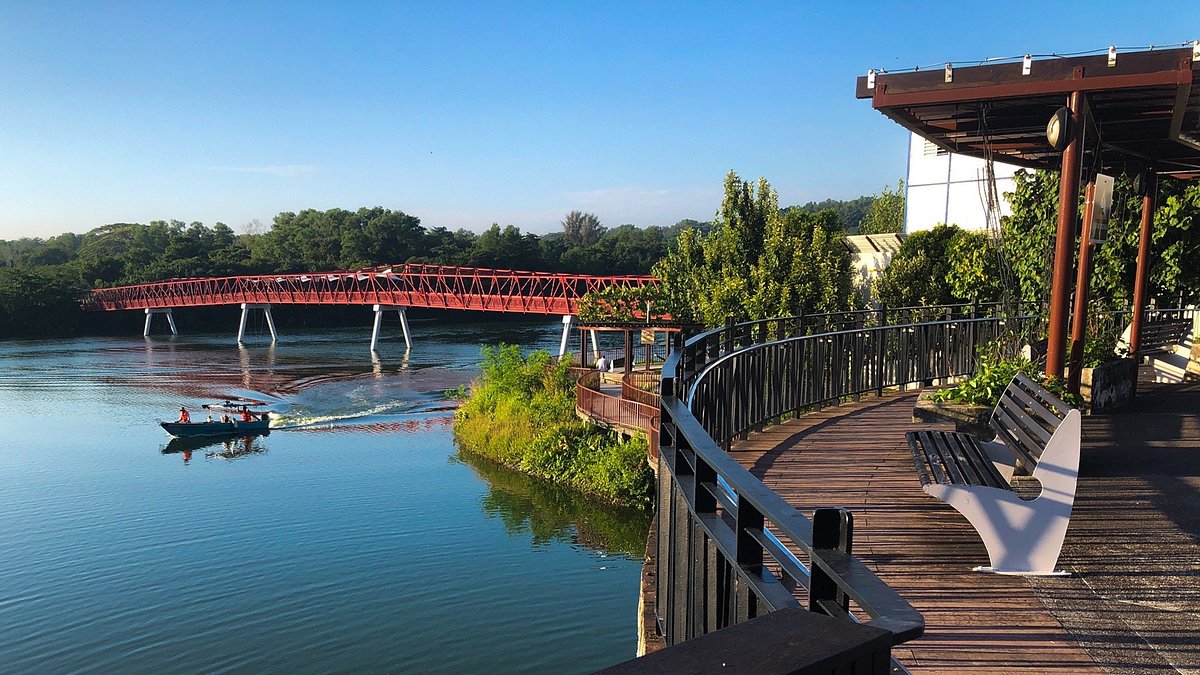
Punggol Waterway
The landscaped waterway created new waterfront homes, walking routes and gathering spaces across the town. It helps visitors connect Punggol Waterway with the wider history of Punggol. This added.

Singapore’s First Eco-Town
Punggol was selected in 2010 to test environmental ideas and encourage greener habits in public-housing estates. It helps visitors connect Singapore’s First Eco-Town with the wider history of Punggol.
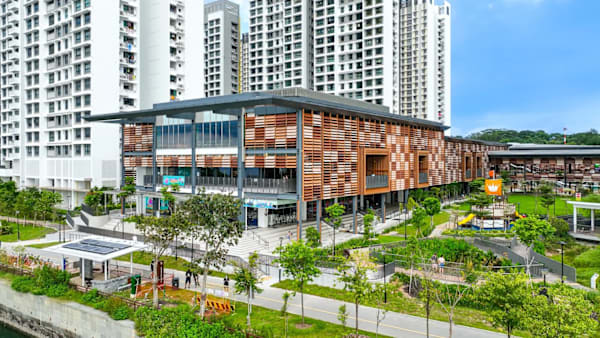
Northshore District
This district was chosen to test smart technologies including sensor-based lighting, parking and waste systems. It helps visitors connect Northshore District with the wider history of Punggol.

Matilda House
Built in 1902 for the Cashin family, Matilda House survived Punggol’s redevelopment and was conserved, making it a rare architectural link with the area’s rural past. It is still remembered.
Trail Routes
Route 1: Faith & Multi-Religious Harmony
-
Duration: 1.5 hours on foot | Distance: 1.2 km
-
Focus: Trace South Bridge Road and Telok Ayer Street to observe Singapore’s religious co-existence, where Buddhist temples, Singapore's oldest Hindu temple, a Chulia mosque, and a Chinese Methodist church stand side by side.
Route 2: Early Immigrants & Street Life
-
Duration: 1 hour on foot | Distance: 900 m
-
Focus: Walk down Pagoda Street, Smith Street, and Sago Lane to discover the history of rickshaw pullers, Samsui women, high-density tenement living, and heritage street murals.
Route 3: Clans, Trade & Pioneer Leaders
-
Duration: 1.5 hours on foot | Distance: 1.8 km
-
Focus: Explore Bukit Pasoh Road, Club Street, and Ann Siang Hill—the historic strongholds of dialect clan associations, elite pioneer clubs, and traditional shophouse architecture.
