
LION CITY HUB • NATIONAL EDUCATION & HERITAGE
Sultan Shoal Lighthouse Heritage
Meet a working 19th-century lighthouse that has witnessed the transformation of Singapore’s western waters.
A Beacon Beside a Changing Port
Sultan Shoal Lighthouse was built in 1895 and began operating in 1896, replacing an earlier lightship and beacon system. Standing on a reef west of Singapore, it guided vessels approaching the port from the west. Its lighting changed from oil to kerosene, electricity and modern solar-powered equipment, while automation reduced the need for a resident crew.
Reclamation later created Jurong Island and Tuas Port around it, yet the lighthouse remains operational—a compact landmark surrounded by the scale of modern maritime industry. 1896 Beacon adds another layer to the story. The lighthouse was built to give ships a dependable point of reference when approaching Singapore from the west.
Changing Technology shows how the area changed while retaining links to its past. Oil and kerosene lamps gave way to electric and solar-powered systems as navigation technology improved. This context helps readers connect the place with Singapore's wider development.
Did You Know?
The lighthouse began operating in 1896 and replaced the lightship Ajax as a navigational aid in western waters, remembered across the community today.
It was automated in 1984 and now operates with modern equipment while retaining its historic structure, helping explain the area's identity today.
What Makes Sultan Shoal Lighthouse Special

Sultan Shoal Lighthouse
Operating since 1896, the lighthouse continues to guide ships through Singapore’s western waters while standing beside the vast modern development of Tuas Port. It gives the area added character.
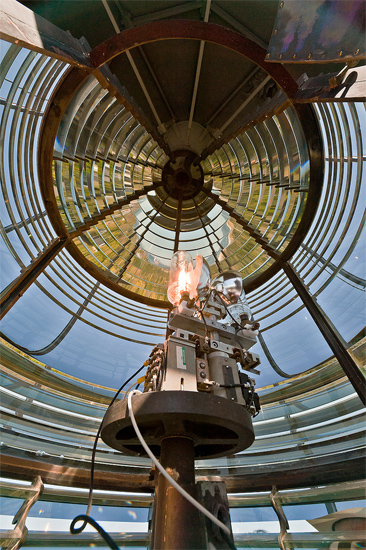
Changing Navigation Technology
The lighthouse progressed from oil lamps and reflectors to electric and solar-powered systems, showing how maritime navigation changed while the structure remained in service. It stands out.
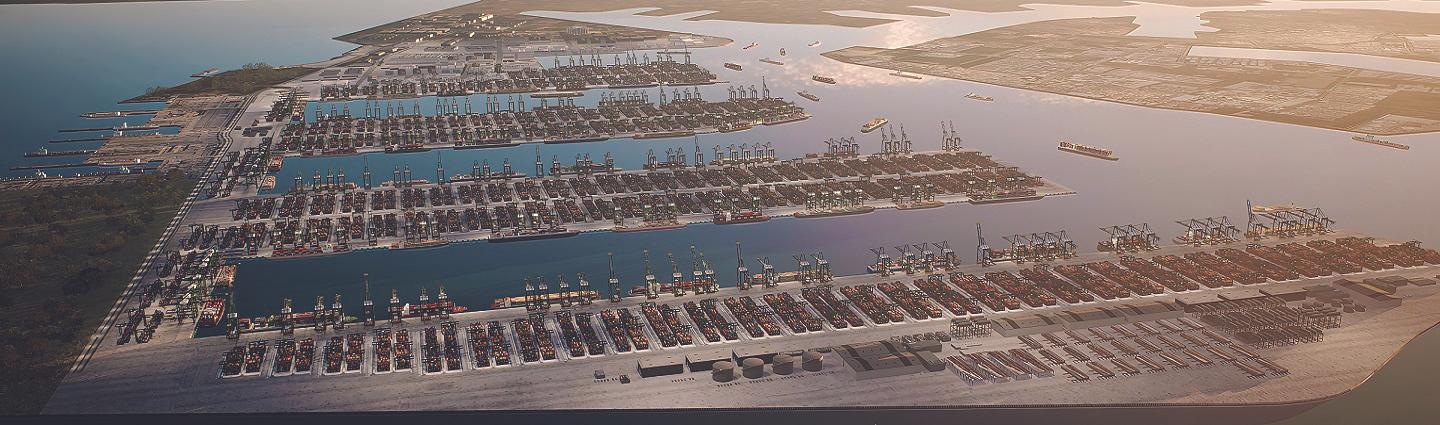
Tuas Port View
The lighthouse now stands beside extensive reclamation and port development, showing the scale of maritime change. Its story adds context to the district's changing landscape and community life.

The Ajax Lightship
Before the lighthouse began operating, the lightship Ajax marked Sultan Shoal. Its replacement by a permanent beacon is a lesser-known chapter of western port navigation. It remains visible.
Trail Routes
Route 1: Faith & Multi-Religious Harmony
-
Duration: 1.5 hours on foot | Distance: 1.2 km
-
Focus: Trace South Bridge Road and Telok Ayer Street to observe Singapore’s religious co-existence, where Buddhist temples, Singapore's oldest Hindu temple, a Chulia mosque, and a Chinese Methodist church stand side by side.
Route 2: Early Immigrants & Street Life
-
Duration: 1 hour on foot | Distance: 900 m
-
Focus: Walk down Pagoda Street, Smith Street, and Sago Lane to discover the history of rickshaw pullers, Samsui women, high-density tenement living, and heritage street murals.
Route 3: Clans, Trade & Pioneer Leaders
-
Duration: 1.5 hours on foot | Distance: 1.8 km
-
Focus: Explore Bukit Pasoh Road, Club Street, and Ann Siang Hill—the historic strongholds of dialect clan associations, elite pioneer clubs, and traditional shophouse architecture.
