
LION CITY HUB • NATIONAL EDUCATION & HERITAGE
St John’s Island: Quarantine to Conservation
Explore an island whose history moves from disease control and detention to recreation and marine science.
An Island of Changing Roles
St John’s Island, formerly Pulau Sekijang Bendera, became a quarantine station after the cholera epidemic of 1873. A lazaretto opened in 1874, and by the 1920s the station was among the largest in the world. The island later housed detainees, an opium treatment centre and, briefly, refugees from South Vietnam.
From the 1970s it developed for recreation, while marine research facilities added a scientific role. Its beaches and paths now sit alongside the traces of a complex history of health, migration and isolation. Quarantine Station adds another layer to the story. Arriving passengers with infectious diseases were isolated here to protect the crowded port and town.
Detention and Treatment shows how the area changed while retaining links to its past. After the war, parts of the former quarantine complex were used for detention and treatment programmes. Read together, these landmarks explain how community life, the built environment and national developments shaped St John's Island.
Did You Know?
St John’s quarantine station opened in 1874 and expanded to about 6,000 beds by the 1920s, an enduring part of the area's history and identity.
The island later supported marine research through facilities connected with the National University of Singapore, and a visible link with its past.
What Makes St John's Island Special
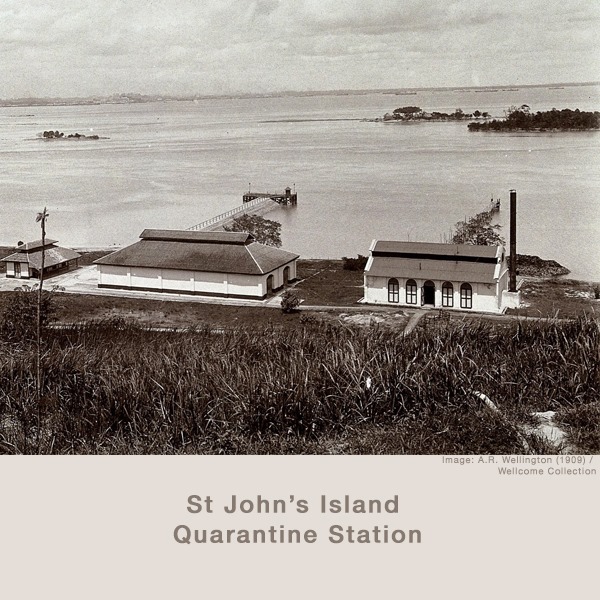
Quarantine Station
Arriving passengers with infectious diseases were isolated here to protect the crowded port and town. It helps visitors connect Quarantine Station with the wider history of St John's Island.
St John’s Island Lodge
Former holiday-camp facilities now provide group accommodation, reflecting the island’s later transformation from a place of quarantine and detention into a recreational retreat. It endures.
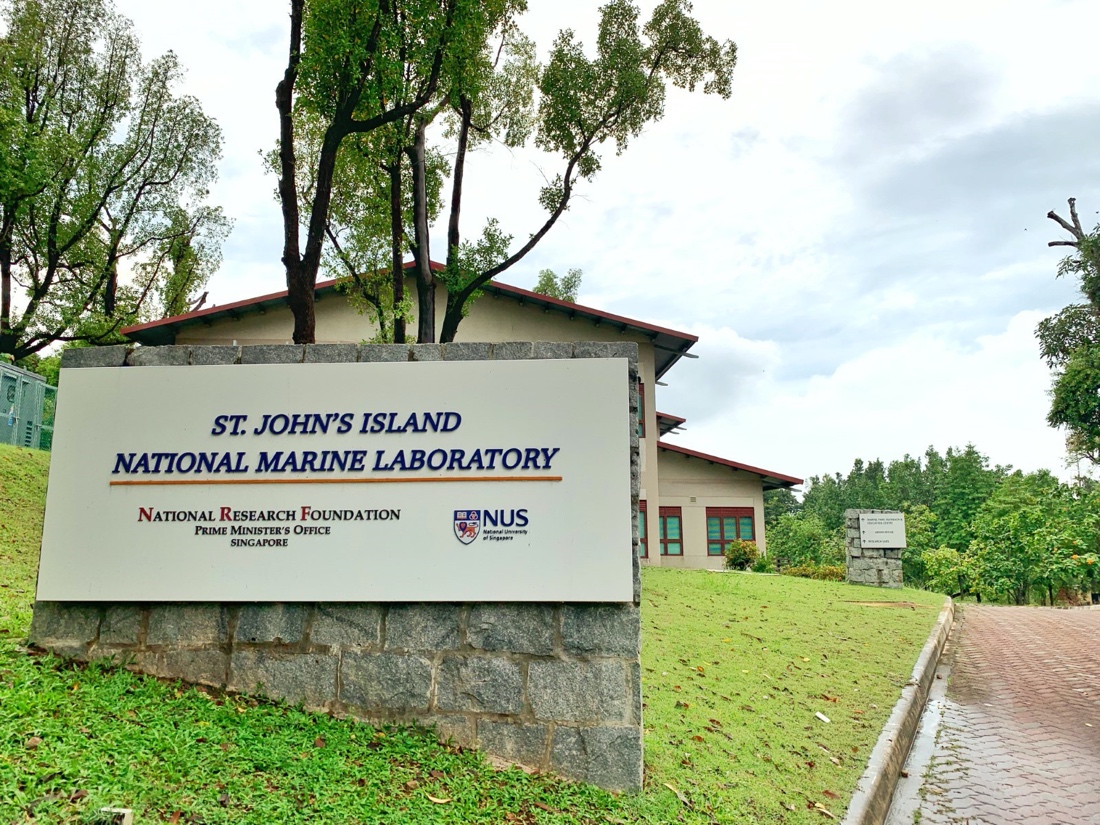
Marine Research
Research on tropical marine environments connects the island’s sheltered setting with present-day science and conservation. It also shows why the site remains meaningful to local communities today.

Former Opium Treatment Centre
Part of the former quarantine complex became an opium treatment centre in 1955—a little-known chapter in the island’s changing roles in public health and social care. It links past and present.
Trail Routes
Route 1: Faith & Multi-Religious Harmony
-
Duration: 1.5 hours on foot | Distance: 1.2 km
-
Focus: Trace South Bridge Road and Telok Ayer Street to observe Singapore’s religious co-existence, where Buddhist temples, Singapore's oldest Hindu temple, a Chulia mosque, and a Chinese Methodist church stand side by side.
Route 2: Early Immigrants & Street Life
-
Duration: 1 hour on foot | Distance: 900 m
-
Focus: Walk down Pagoda Street, Smith Street, and Sago Lane to discover the history of rickshaw pullers, Samsui women, high-density tenement living, and heritage street murals.
Route 3: Clans, Trade & Pioneer Leaders
-
Duration: 1.5 hours on foot | Distance: 1.8 km
-
Focus: Explore Bukit Pasoh Road, Club Street, and Ann Siang Hill—the historic strongholds of dialect clan associations, elite pioneer clubs, and traditional shophouse architecture.
