
LION CITY HUB • NATIONAL EDUCATION & HERITAGE
Kusu Island: Faith and Folklore
Discover an island where Chinese and Malay sacred traditions meet stories of rescue at sea.
A Pilgrimage Island
Kusu Island lies south of mainland Singapore and is known for traditions linking the island with a life-saving tortoise. Its name means “Tortoise Island” in Chinese, while it is also known as Pulau Tembakul. The Da Bo Gong temple, built in 1923, and three Malay keramat shrines make the island an important shared religious landscape.
During the ninth lunar month, pilgrims visit to give thanks and pray for health, peace and prosperity. Beaches, lagoons and coastal views add a quieter recreational side to the island. Da Bo Gong Temple adds another layer to the story. Built in 1923, the temple is dedicated mainly to Da Bo Gong and Guan Yin and remains central to the annual pilgrimage.
Keramat Shrines shows how the area changed while retaining links to its past. Three hilltop shrines reflect Malay sacred traditions and are visited by people praying for health, family and harmony. This context helps readers connect the place with Singapore's wider development.
Did You Know?
Kusu means “Tortoise Island”, recalling legends in which a giant tortoise rescued sailors in danger at sea, and an important part of its local story.
Pilgrims climb 152 steps to reach three keramat shrines dedicated to a pious man and members of his family, helping explain the area's identity today.
What Makes Kusu Island Special

Tua Pek Kong Temple
Built in 1923, Kusu Island Tua Pek Kong Temple is dedicated to Tua Pek Kong and Guan Yin. It remains the focal point of the annual ninth-lunar-month pilgrimage and the island’s Chinese heritage.
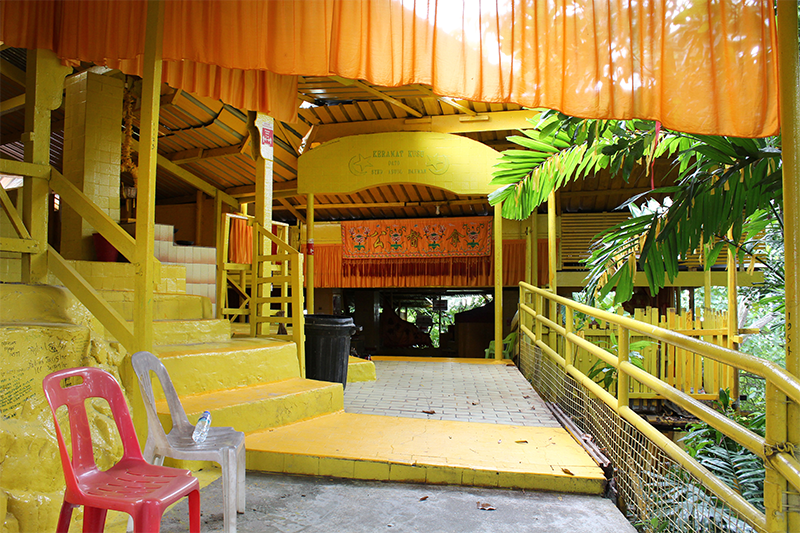
Keramat Shrines
Three hilltop shrines reflect Malay sacred traditions and are visited by people praying for health, family and harmony. It helps visitors connect Keramat Shrines with the wider history of Kusu Island.
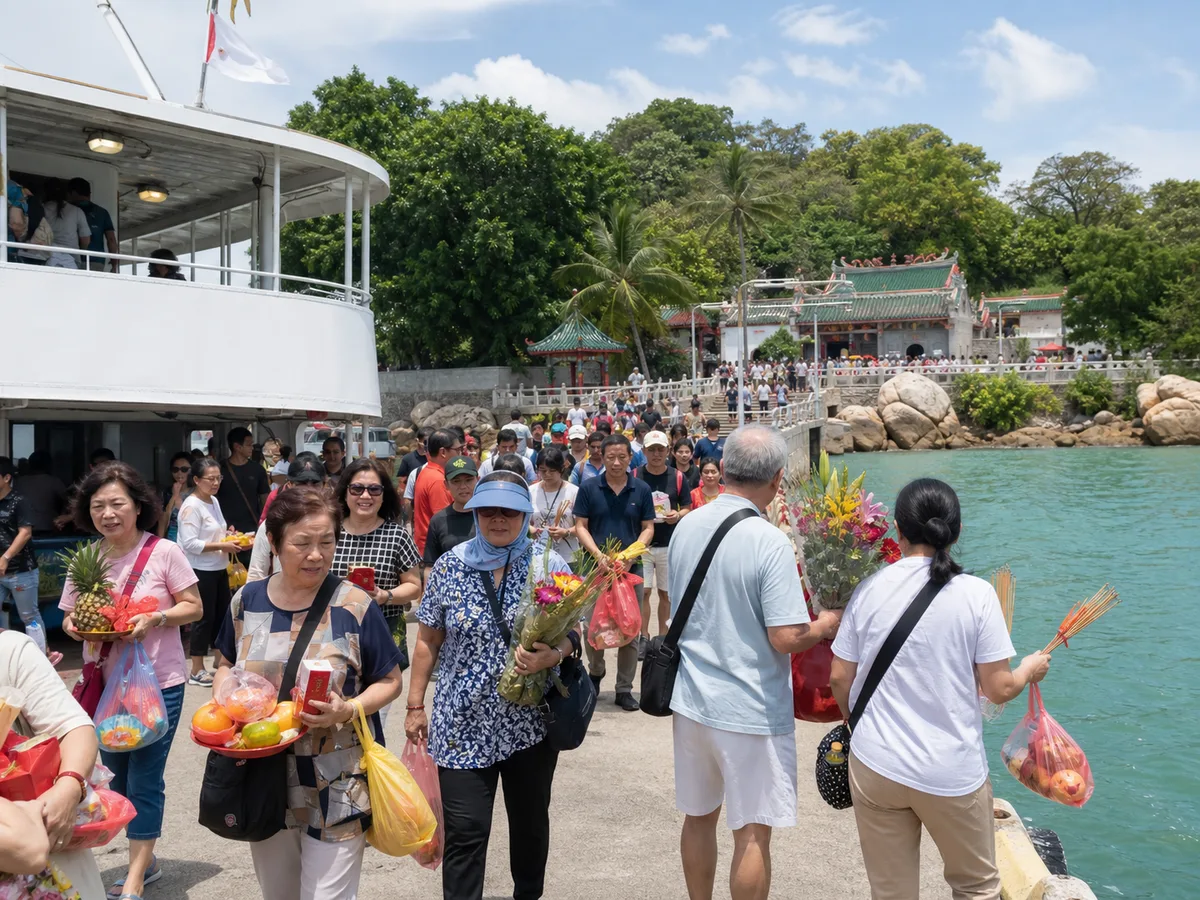
Annual Pilgrimage
Thousands traditionally travel to Kusu during the ninth lunar month to make offerings and renew personal vows. It helps visitors connect Annual Pilgrimage with the wider history of Kusu Island.

Tortoise Legends
Different versions of the island’s origin story share a theme of rescue, gratitude and friendship across communities. It helps visitors connect Tortoise Legends with the wider history of Kusu Island.
Trail Routes
Route 1: Faith & Multi-Religious Harmony
-
Duration: 1.5 hours on foot | Distance: 1.2 km
-
Focus: Trace South Bridge Road and Telok Ayer Street to observe Singapore’s religious co-existence, where Buddhist temples, Singapore's oldest Hindu temple, a Chulia mosque, and a Chinese Methodist church stand side by side.
Route 2: Early Immigrants & Street Life
-
Duration: 1 hour on foot | Distance: 900 m
-
Focus: Walk down Pagoda Street, Smith Street, and Sago Lane to discover the history of rickshaw pullers, Samsui women, high-density tenement living, and heritage street murals.
Route 3: Clans, Trade & Pioneer Leaders
-
Duration: 1.5 hours on foot | Distance: 1.8 km
-
Focus: Explore Bukit Pasoh Road, Club Street, and Ann Siang Hill—the historic strongholds of dialect clan associations, elite pioneer clubs, and traditional shophouse architecture.
