

LION CITY HUB • NATIONAL EDUCATION & HERITAGE
Jurong East Heritage Trail
Explore a western district where swampland gave way to industry, gardens and a growing regional centre.
Jurong East’s Industrial Roots and Lakeside Gardens
Before industrialisation, the Jurong area was a landscape of swamps, gambier and rubber plantations, and prawn ponds. From 1961, the government began transforming it into Singapore’s main industrial estate, and the Jurong Town Corporation (JTC) was set up in 1968 to develop and manage it.
Housing, parks and public institutions followed the factories. Jurong Town Hall, inaugurated in 1975, served as JTC’s headquarters until 2000, while the Chinese and Japanese gardens on Jurong Lake gave workers and families a place to relax. Science Centre Singapore opened nearby in 1977.
Today, Jurong Lake Gardens links the renewed Chinese Garden with the Lakeside Garden, opened in 2019. Science Centre Singapore continues to draw students and families, and Jurong Town Hall, now a national monument, recalls the planners who built an industrial town from the ground up.
Did You Know?
Jurong Town Hall was designed with a 50-metre clock tower meant to resemble a ship’s mast.
Jurong Lake Gardens is Singapore’s first national garden located in the heartland.


What Makes Jurong East Special

Jurong Lake Gardens
A national garden in the heartland, it brings together the Lakeside Garden, opened in 2019, with the renewed Chinese and Japanese gardens.
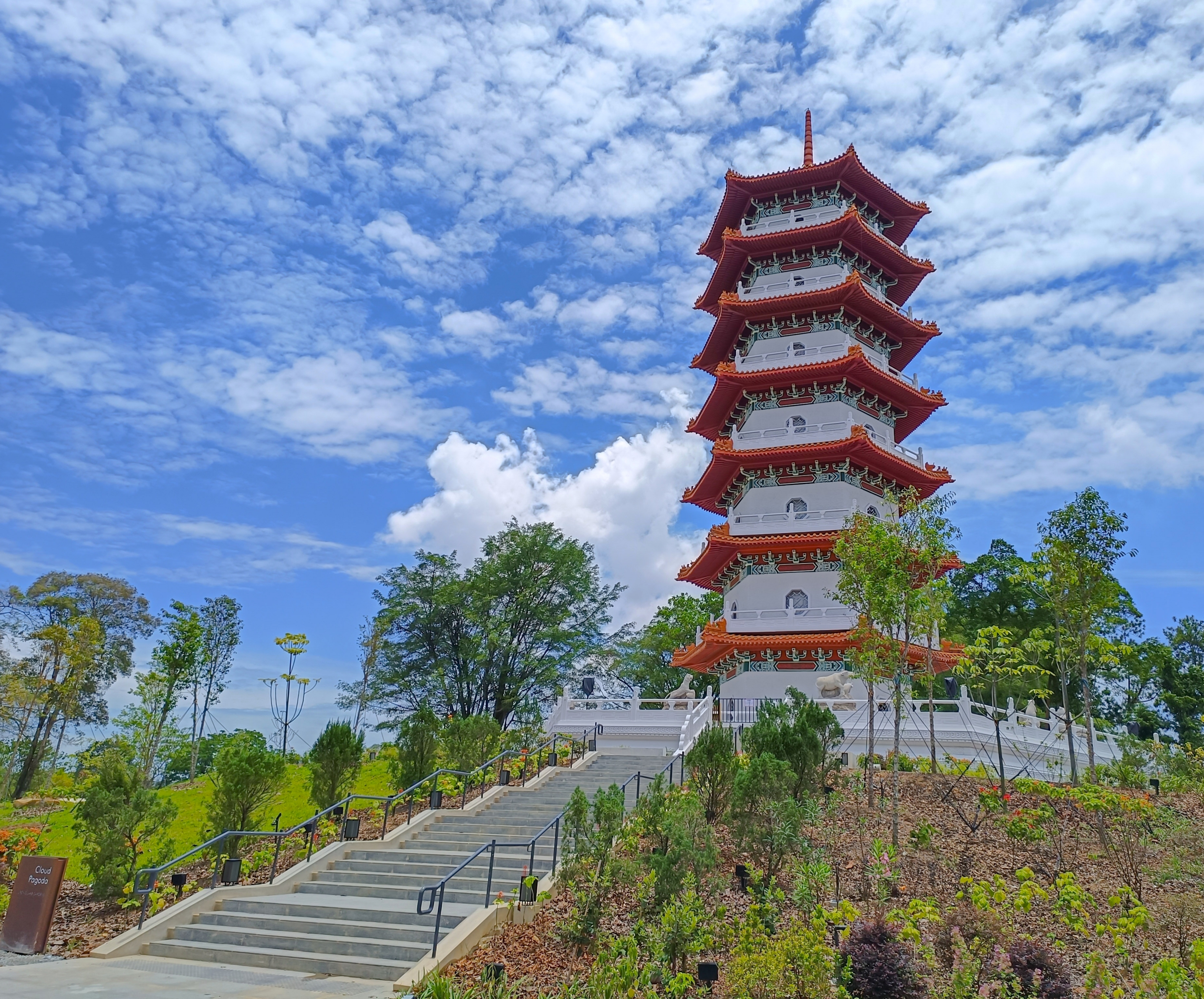
Chinese Garden
Completed in 1975, the garden features the 13-arch White Rainbow Bridge and a seven-storey Cloud Pagoda overlooking Jurong Lake.

Science Centre Singapore
Officially opened in December 1977, the centre has introduced generations of visitors to science through hands-on exhibits and its Omni-Theatre.
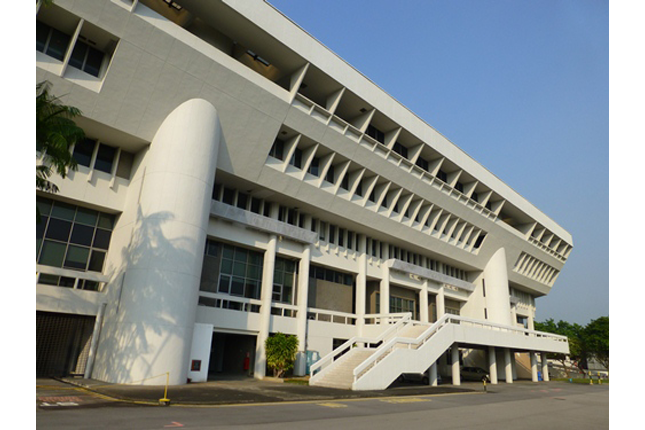
Jurong Town Hall
Inaugurated in 1975 as JTC’s headquarters, this ship-like building with a clock-tower mast was gazetted as a national monument in 2015.
Trail Routes
Route 1 Industrial Ambition & Public Learning
Explore how industrial planning, public education and waterfront recreation reveal different ambitions behind Jurong’s development.
Duration: 60–90 minutes · Distance: Approx. 1.6 km · Stops: 3
1. Jurong Town Hall
Jurong Town Hall was designed as a landmark of Singapore’s industrialisation programme. Its distinctive architecture preserves the ambition behind the transformation of Jurong into an industrial district.
2. Science Centre Singapore
Opened in 1977, the Science Centre reflects Singapore’s investment in public science education. Its presence adds a learning institution to the story of Jurong’s post-independence development.
3. Jurong Lake
The waterfront introduces the recreational landscape alongside Jurong’s industrial and residential development. Across the water, the gardens illustrate the district’s continuing transformation into a greener urban centre.
Route 2 Chinese & Japanese Garden Landmarks
Discover the architecture and landscapes of the Chinese and Japanese Gardens through their distinctive public landmarks.
Duration: 60–90 minutes · Distance: Approx. 1.5 km · Stops: 4
1. Chinese Garden
The Bonsai Garden presents miniature landscapes shaped by traditional Chinese gardening ideas. It introduces the cultural design language retained within the rejuvenated Chinese Garden.
2. Twin Pagoda
The lakeside Twin Pagoda reflects classical Chinese architectural forms. Its paired towers remain familiar landmarks within a garden that balances established memories with renewed public spaces.
3. Stoneboat & Tea Pavilion
The Stoneboat and neighbouring pavilion bring traditional architectural references to the pond landscape. Their setting highlights the relationship between garden design, water and places for contemplation.
4. Japanese Garden
Water lily terraces and a broad pond view introduce the Japanese Garden’s renewed landscape. The pavilion connects botanical collections with a contemporary interpretation of garden architecture.
The Bukit Batok heritage trail adds the quarry landscapes and wartime memories of a neighbouring western town.
Interested in planning or booking the Jurong East heritage trail? Please contact us by filling out the form below.
