
LION CITY HUB • NATIONAL EDUCATION & HERITAGE
Holland Village Neighbourhood Story
Explore how a small suburban centre grew into a distinctive dining, shopping and community enclave.
Holland Village’s Rural Roots and Urban Character
Holland Village takes its name from Holland Road, which was named after architect Hugh Holland. The wider area once contained plantations, nurseries, villages and homes linked to nearby military communities. Shops and services grew around Holland Road and Lorong Mambong, serving both local residents and expatriate families.
Over time, the compact streets became known for markets, cafés, restaurants and independent businesses. Despite redevelopment, its walkable scale and mix of everyday and international influences continue to shape its identity.
Lorong Mambong remains the lively heart of the precinct, while Holland Drive Market serves residents beyond the restaurants. Across Holland Avenue, Chip Bee Gardens was built as housing for British military families and now has a quieter, creative character.


Did You Know?
Holland Village is known in Malay as Kampung Holland, a name that recalls the villages once scattered around Holland Road.
Lorong Mambong became the neighbourhood’s best-known commercial street, lined with shops, eateries and gathering places.
What Makes Holland Village Special
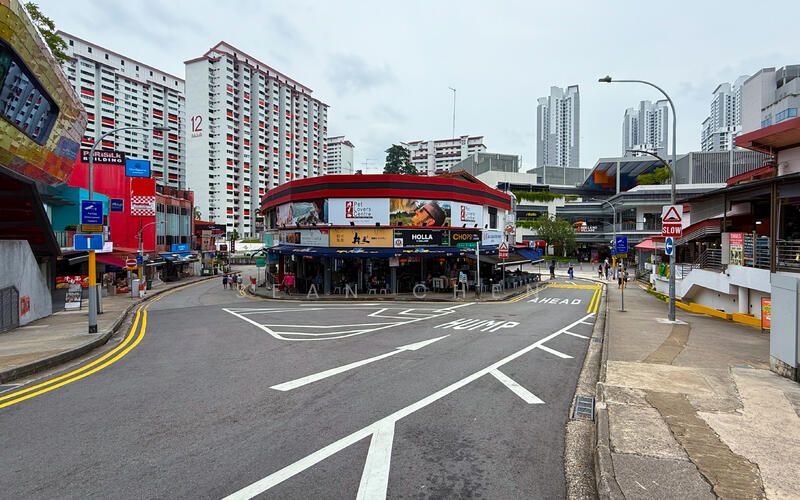
Lorong Mambong
The compact main street gives Holland Village its recognisable urban-village character and lively street-level activity.

Holland Drive Market
The market and food centre reflect the neighbourhood’s everyday role for residents beyond its restaurants and nightlife.
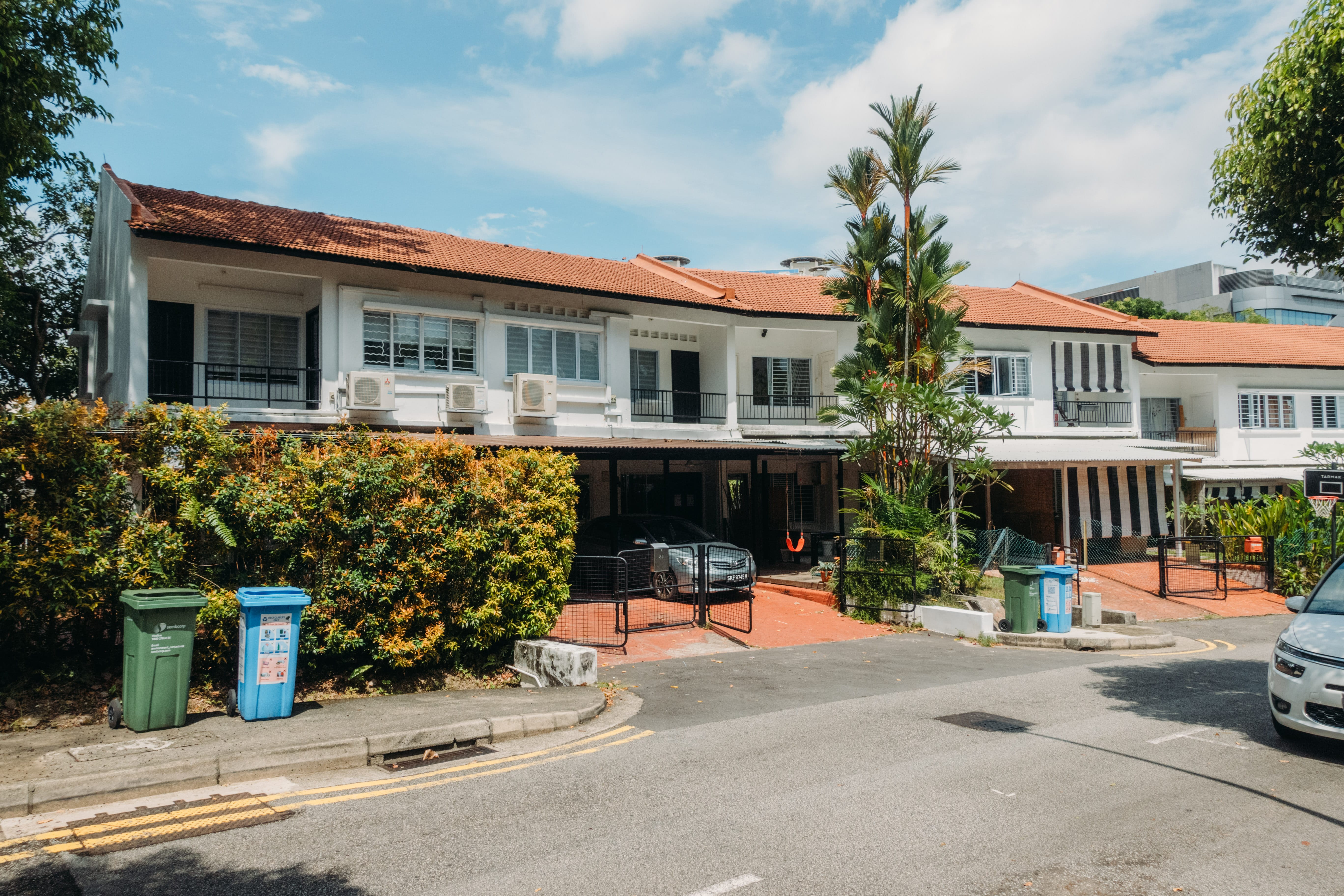
Chip Bee Gardens
The low-rise estate beside Holland Village was developed for British military personnel and later became known for its quiet streets, creative businesses and distinctive architecture.
The Hugh Holland Connection
Holland Village takes its name from Holland Road, which commemorates architect Hugh Holland—a detail often overlooked amid the precinct’s dining and nightlife identity.
Trail Routes
Route 1 Holland Village
Explore the relationship between Holland Village’s commercial lanes, former military housing and everyday neighbourhood amenities.
Duration: 60–90 minutes · Distance: 1.0–1.3 km · Stops: 4
1. Lorong Mambong
Lorong Mambong forms part of Holland Village’s compact commercial core. Businesses open onto a shared street environment, bringing walking, dining and social encounters into close proximity. Its character reflects how individual shopfronts contribute to the atmosphere of an urban neighbourhood.
2. Lorong Liput
Lorong Liput connects Holland Village’s commercial precinct with the MRT and surrounding streets. Its pedestrian spaces reveal the practical side of an urban village, where transport, shelter and access support the movement of residents and visitors alongside the area’s leisure activities.
3. Chip Bee Gardens
Built in the mid-1960s as married quarters for the British Armed Forces, Chip Bee Gardens later accommodated other residents, including expatriate teachers. Its low-rise houses and walk-up apartments preserve a different residential scale beside Holland Village’s busier commercial streets.
4. Holland Drive Market & Food Centre
Holland Drive Market & Food Centre reflects the everyday residential side of the wider Holland Village area. Routine shopping and shared meals complement the better-known leisure precinct, showing how a neighbourhood’s identity includes the daily needs and encounters of its residents.
