

LION CITY HUB • NATIONAL EDUCATION & HERITAGE
Ang Mo Kio Heritage Trail
Explore a heartland town built in the 1970s and shaped by gardens, community clubs and local traditions.
Ang Mo Kio’s Kampung Past and Heartland Life
Ang Mo Kio is Hokkien for “red-haired man’s bridge”, a name often linked to colonial surveyor John Turnbull Thomson. Before the new town, the area was covered with rubber estates, farms and kampungs, and some residents knew it as Kow Tiow Kio, or “nine bridges”.
Development of Ang Mo Kio New Town began in 1973. The town later became one of the testing grounds for Singapore’s first town councils in 1986, giving residents a greater role in managing their estates.
Ang Mo Kio Town Centre remains the town’s busy heart, while Town Garden West offers green space and a pond. Block 259, known as the Clover Block, stands out for its circular form, and the Kebun Baru Birdsinging Club keeps a popular neighbourhood pastime alive.
Did You Know?
Ang Mo Kio was among the towns where Singapore’s pilot town councils were set up in 1986.
Block 259, nicknamed the Clover Block, is known for its rare circular layout among HDB blocks.


What Makes Ang Mo Kio Special
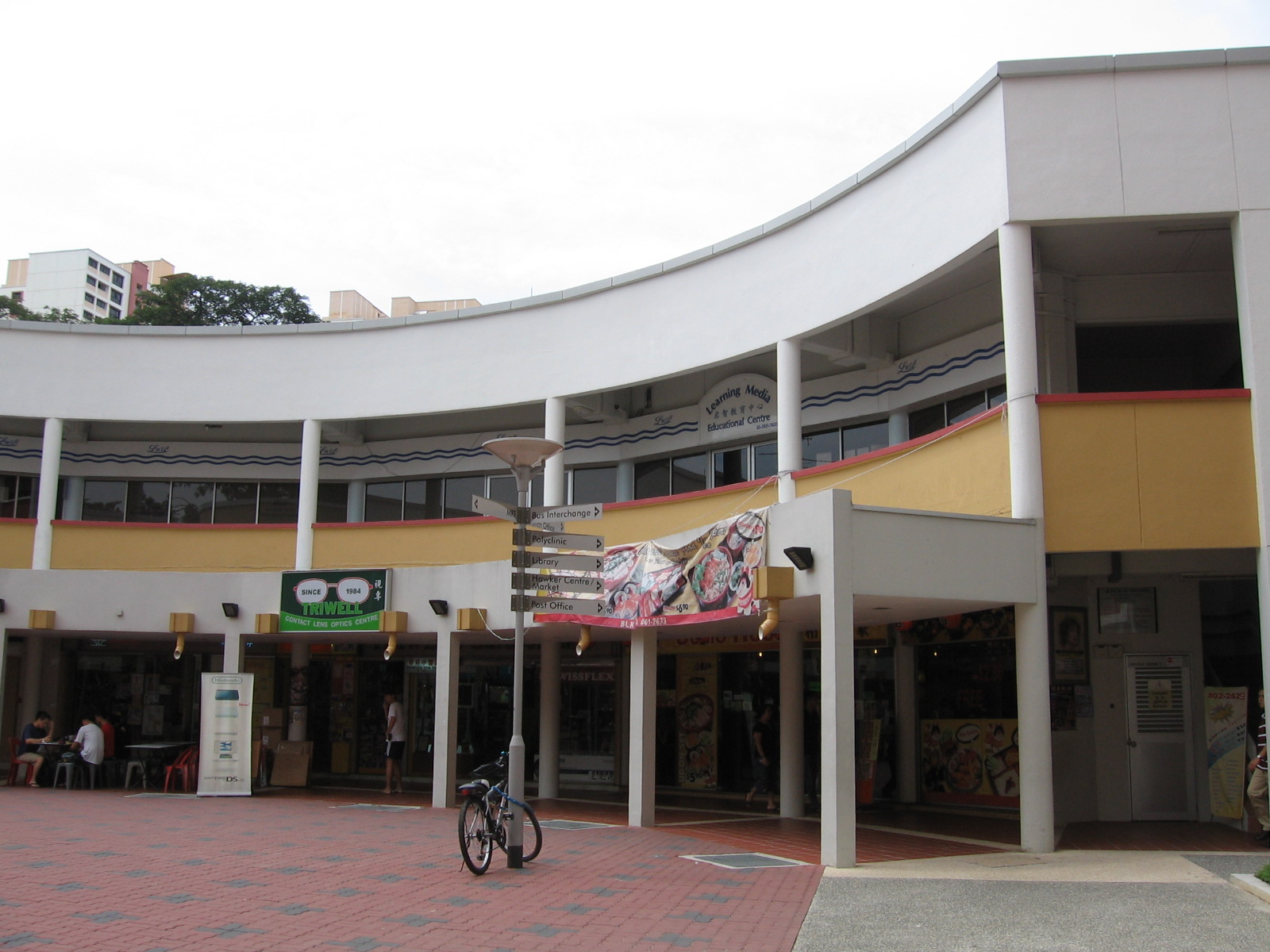
Ang Mo Kio Town Centre
Developed from the late 1970s, the town centre brings markets, shops, transport and community spaces together for residents across the town.

Town Garden West
Completed in 1983, the garden was among HDB’s largest town parks at the time and remains a green retreat with a pond and walking paths.
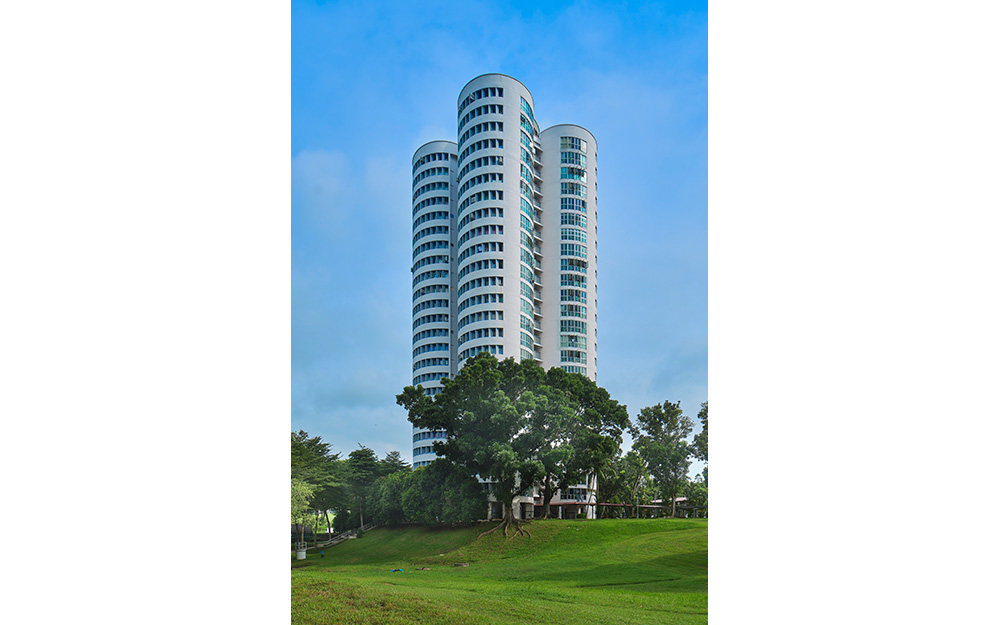
Clover Block
Block 259 at Ang Mo Kio Avenue 2 is known for its circular design, an unusual form among Singapore’s public-housing blocks.
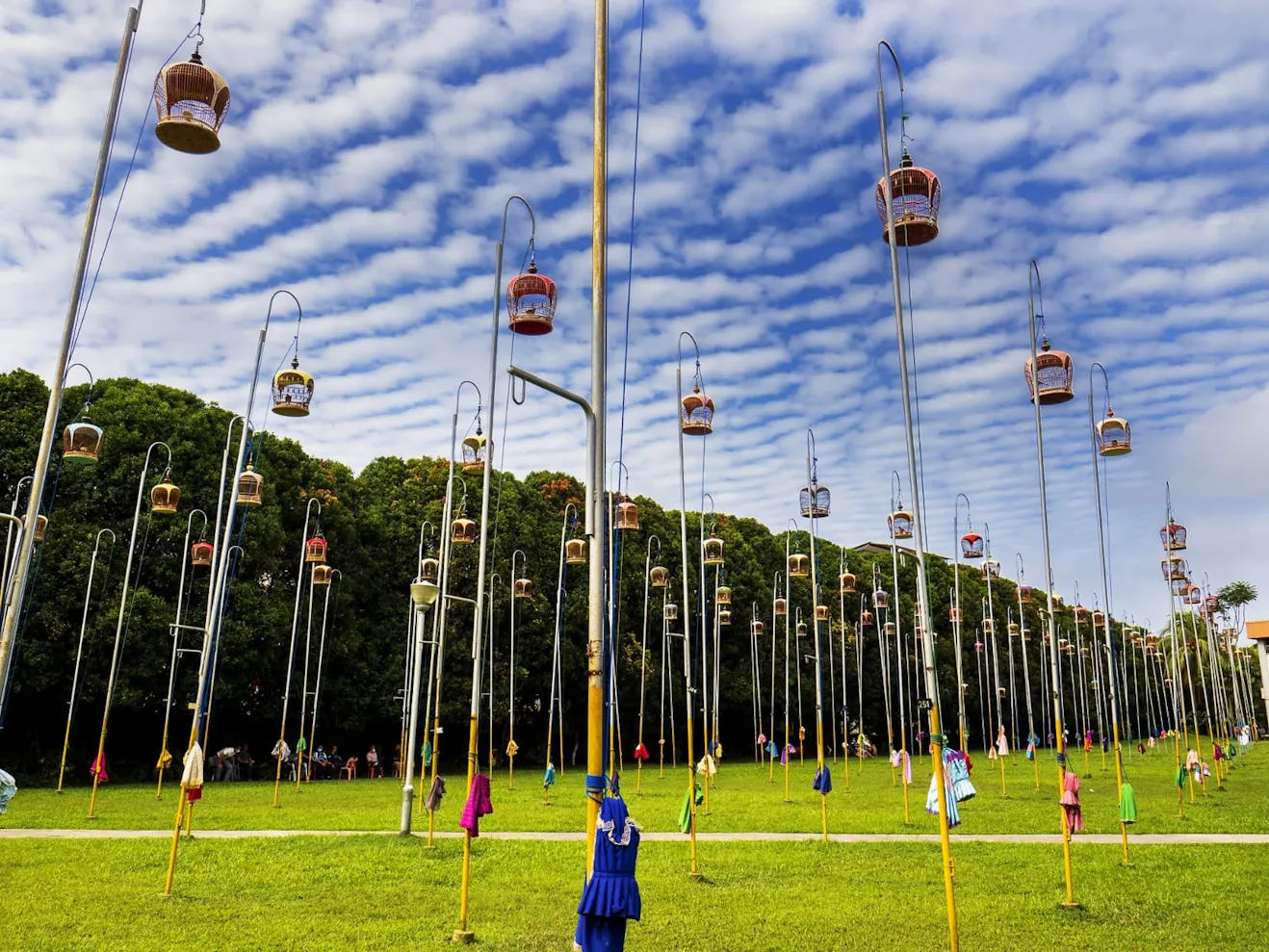
Kebun Baru Birdsinging Club
Established in 1987, this birdsinging corner hosts songbird enthusiasts and their cages, preserving a traditional pastime within a modern estate.
Trail Routes
Route 1 Town Centre & Neighbourhood Icons
Explore how town planning, public housing and familiar neighbourhood landmarks shaped Ang Mo Kio’s identity.
Duration: 105–135 minutes · Distance: Approx. 3.3 km · Stops: 5
1. Ang Mo Kio Town Centre
The town centre grew with Ang Mo Kio’s development as a new town. Shops, food outlets and shared spaces reveal how daily routines helped shape its neighbourhood identity.
2. Masjid Al-Muttaqin
Opened in 1980, Masjid Al-Muttaqin was supported by community fundraising. The mosque reflects the role of shared effort and religious institutions in the growing new town.
3. Ang Mo Kio Town Garden West
This hilltop garden adds a green landmark to Ang Mo Kio’s housing landscape. Its paths and mature planting offer a quieter setting within the town’s familiar network of neighbourhood spaces.
4. Kebun Baru Birdsinging Club
The birdsinging club grew from a local hobby into a distinctive community gathering place. Rows of tall poles preserve a social tradition closely associated with Kebun Baru.
5. Block 259
Block 259 stands out for its unusual cloverleaf form. This recognisable housing landmark shows the architectural experimentation that accompanied the development of Ang Mo Kio’s residential estates.
Route 2 Cheng San Gardens, Play & Food
Discover the gardens, playgrounds and food traditions that connect Cheng San’s shared spaces with everyday community life.
Duration: 60–90 minutes · Distance: Approx. 1.3 km · Stops: 4
1. Ang Mo Kio Town Garden East
Developed on a former rubber estate, this hilltop park retains a sense of the landscape before the new town. Its greenery introduces the area’s earlier rural setting.
2. Dragon Playground
The dragon playground recalls an era when locally designed play structures gave housing estates their own visual identity. Its familiar form connects childhood memories with Ang Mo Kio’s built heritage.
3. Cheng San Market & Food Centre
This neighbourhood market and food centre brings shopping, meals and informal encounters together. It provides an everyday setting for understanding how food culture sustains community life in Cheng San.
4. The Pine Garden
Established in 1984, The Pine Garden is a longstanding neighbourhood bakery. Its traditional bakes and newer creations show how a familiar local business can evolve across generations.
To explore another nearby town shaped by changing land use and shared green spaces, see the Bishan heritage trail.
Interested in planning or booking the Ang Mo Kio heritage trail? Please contact us by filling out the form below.
